




In many organizations, leaders complain that everything eventually lands on their desk. This is rarely caused by incompetent teams. More often, it is caused by missing escalation thresholds. Escalation threshold design is the management skill of defining when an issue should move upward and when it should be resolved locally.
Without clear thresholds, employees escalate problems defensively. They fear making the wrong call, so they push decisions upward to protect themselves. Over time, leaders become overloaded with minor issues while critical risks are buried in noise.
Escalation threshold design starts with clarity around decision boundaries. Leaders must define which types of problems teams are expected to solve independently and which require higher-level involvement. This clarity reduces anxiety and builds confidence.
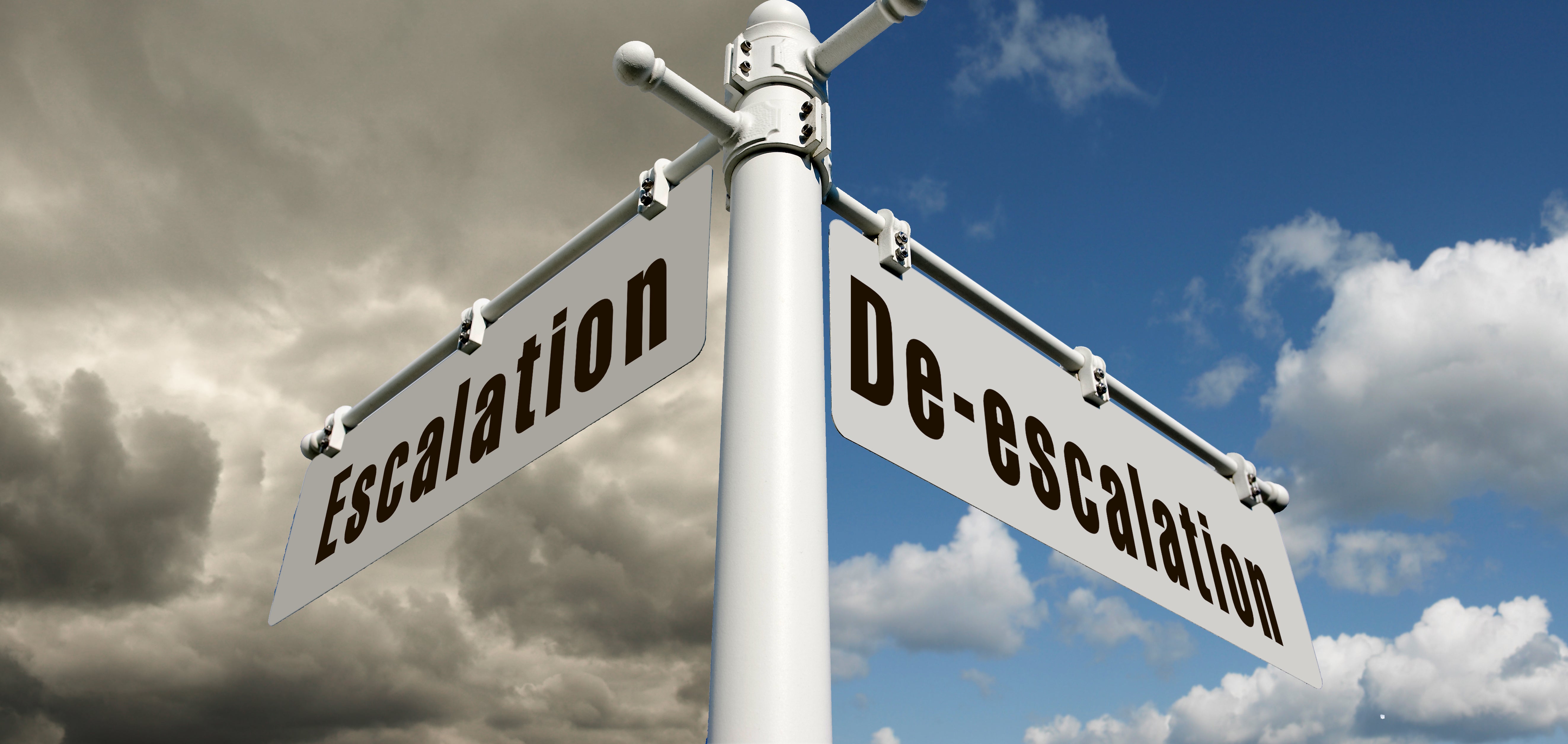
Another key element is consequence awareness. Teams need to understand the impact range that triggers escalation. Issues with limited, reversible impact should stay local. Problems with long-term or irreversible consequences should move upward early.
Poor escalation design creates two dangerous extremes. Either everything escalates, slowing the organization, or nothing escalates, allowing risks to grow silently. Effective leaders balance autonomy with protection by setting clear thresholds.
This skill becomes critical in fast-moving environments. When escalation rules are vague, response time suffers. When they are clear, teams act faster because they know when leadership support is expected.

Leaders who design escalation thresholds reduce their own workload while increasing organizational reliability. They spend time on issues that truly require leadership judgment instead of firefighting.
Strong organizations do not rely on intuition to decide what gets escalated. They rely on design. Managers who master escalation threshold design create systems that respond intelligently under pressure.

Replies to This Discussion