




Most managers believe meetings fail because people talk too much or prepare too little. In reality, meetings fail because they are poorly designed. Meeting architecture is the management skill of structuring conversations so that time, attention, and authority are aligned toward a clear outcome.
A meeting is not just a discussion. It is a decision environment. When leaders do not consciously design that environment, meetings drift into updates, debates, or status performances with no real progress.
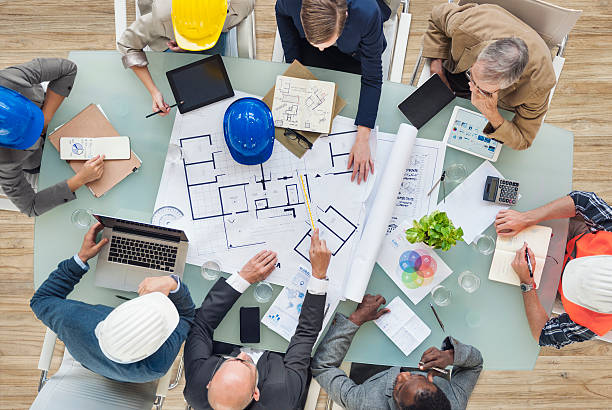
Meeting architecture begins with defining the purpose of the conversation. Is the meeting meant to explore options, make a decision, align understanding, or assign ownership? Many meetings collapse because they try to do all of these at once.
Another critical element is role clarity. In poorly designed meetings, everyone speaks but no one owns the outcome. Effective managers clearly define who provides input, who challenges assumptions, and who makes the final call. This reduces confusion and prevents endless circular discussions.
Meeting architecture also addresses information flow. Too much information overwhelms participants, while too little leads to shallow conclusions. Skilled leaders curate inputs carefully, ensuring that only decision-relevant information enters the room.

Timing matters as well. Strategic discussions placed at the end of a long day are unlikely to produce high-quality thinking. Leaders who understand meeting architecture schedule conversations based on cognitive demand, not convenience.
Well-designed meetings change organizational behavior beyond the meeting itself. Teams learn how decisions are made, what kind of thinking is valued, and how accountability works. Over time, this creates a culture of purposeful communication.
Strong managers do not reduce meetings by default. They improve them by design. Meeting architecture turns conversations into productive organizational tools rather than recurring time drains.

Replies to This Discussion