




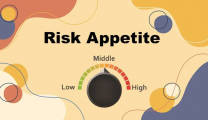
Every organization takes risks, whether intentionally or by accident. Risk appetite articulation is the management skill of clearly defining how much risk the organization is willing to accept, and where the limits are.
When risk appetite is unclear, teams operate inconsistently. Some avoid risk entirely, slowing progress. Others take excessive risks, creating instability. Leaders then appear unpredictable when they approve one action and reject another that seems similar.
Many managers assume risk appetite is self-evident. In reality, it is rarely explicit. Without clear articulation, employees guess based on past reactions, rumors, or personal comfort levels. This guessing creates uneven behavior across teams.

Risk appetite articulation is not about eliminating risk. It is about defining acceptable uncertainty. Leaders clarify which risks are encouraged for growth, which are tolerated, and which are unacceptable regardless of potential upside.
This skill becomes critical during innovation, expansion, or crisis. When teams know the boundaries, they move faster because they are not constantly seeking permission. Unclear risk tolerance forces escalation and delays action.
Poor risk appetite articulation also damages trust. When employees feel punished for decisions they believed were acceptable, confidence collapses. Over time, teams stop taking initiative and wait for explicit instructions.

Effective leaders communicate risk appetite consistently through decisions, not slogans. Approval patterns, responses to failure, and resource allocation all reinforce what level of risk is truly acceptable.
Organizations with clear risk appetite do not avoid uncertainty. They navigate it deliberately. Managers who articulate risk appetite well create environments where people act decisively without fear, even in complex conditions.
Replies to This Discussion